
Film, law, and installs that don't bubble
Delaware Tint Medical Waiver: How to Apply in 2026
Delaware now allows 50% VLT front-side tint without a medical waiver. Learn who can certify medical need and how the DMV application works.
By Andre Silva · 26 October 2026 · 4 min readLatest
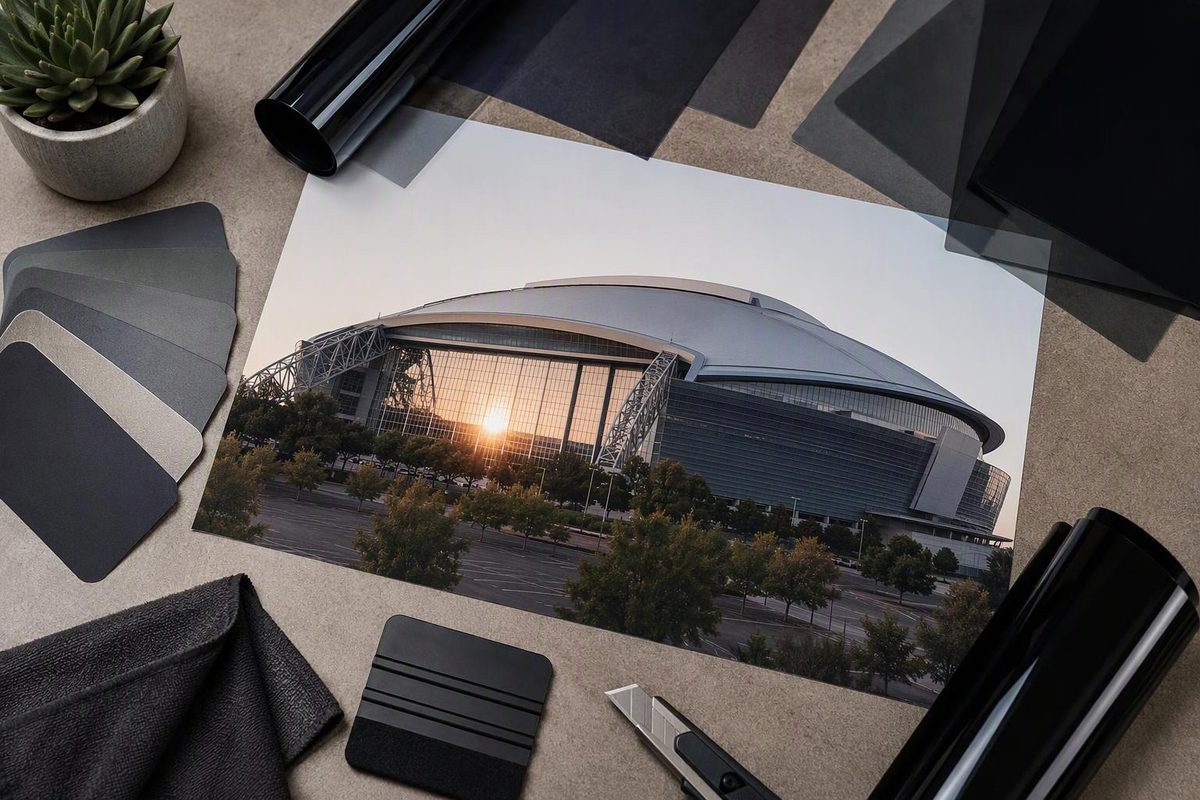
AT&T Stadium Window Tint: Could It Fix the Sun Glare?
What reports say about AT&T Stadium window tint, why glare control differs from heat rejection, and what a permanent film solution would need.
Can Police Chase You for Tinted Windows?
A tint stop and a police pursuit follow different rules. Learn how state law, department policy and failure to stop affect the answer.
Legal Window Tint in Arkansas: Limits by Window and Vehicle
Check Arkansas tint limits by window and vehicle, including finished VLT, the five-inch windshield strip, installer labels and medical exemptions.
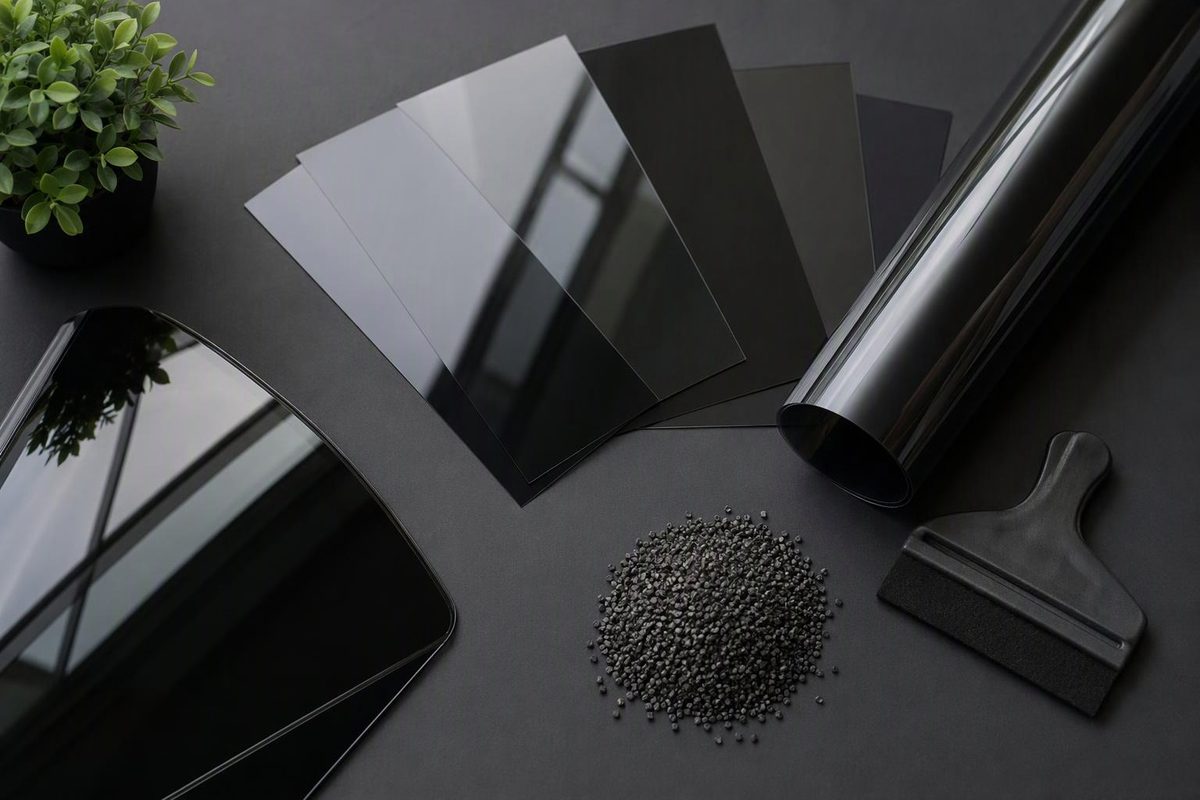
What Is Nano Ceramic Tint? Benefits and Buying Checks
Nano ceramic tint uses tiny ceramic particles to control solar heat. Learn how it differs from ordinary ceramic labels and which specs matter.
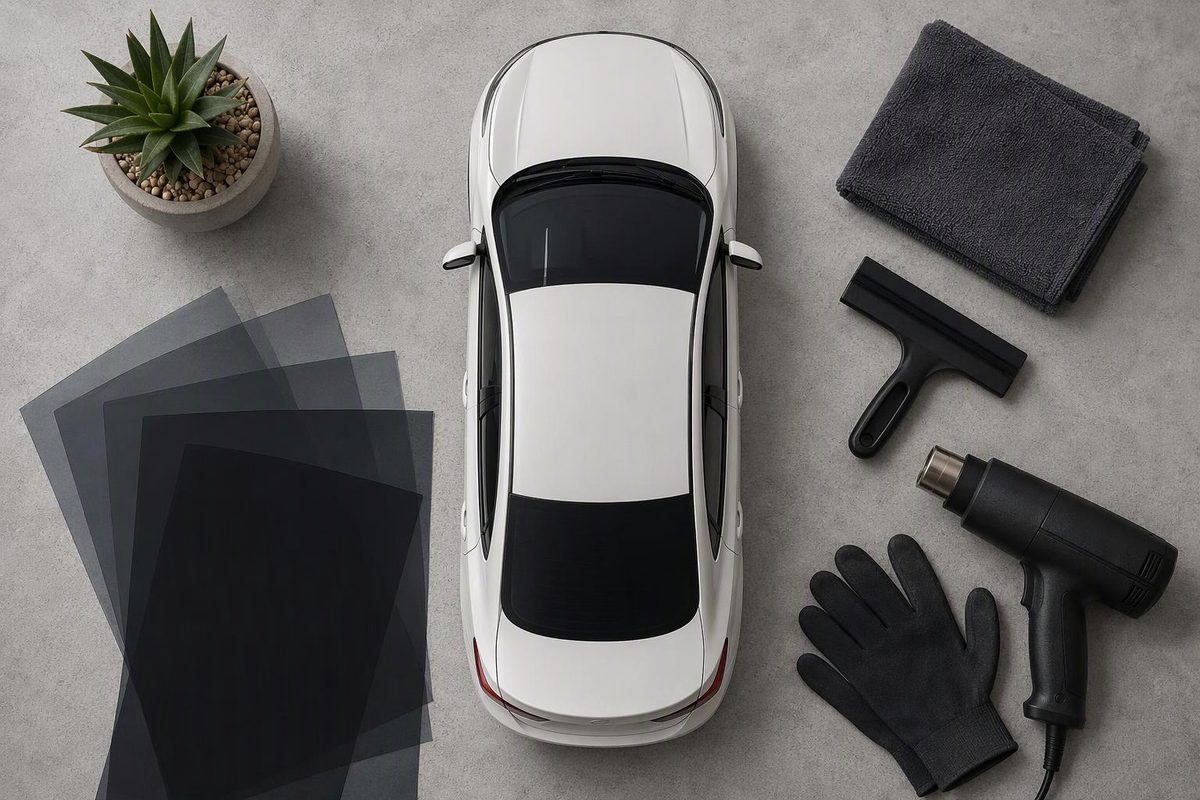
Legal Tint in Idaho: 35% Front, 20% Rear Sides, 35% Back
Check Idaho’s 35% front-side and rear-window limits, 20% rear-side rule, windshield restrictions, tolerances and medical exceptions before tinting.
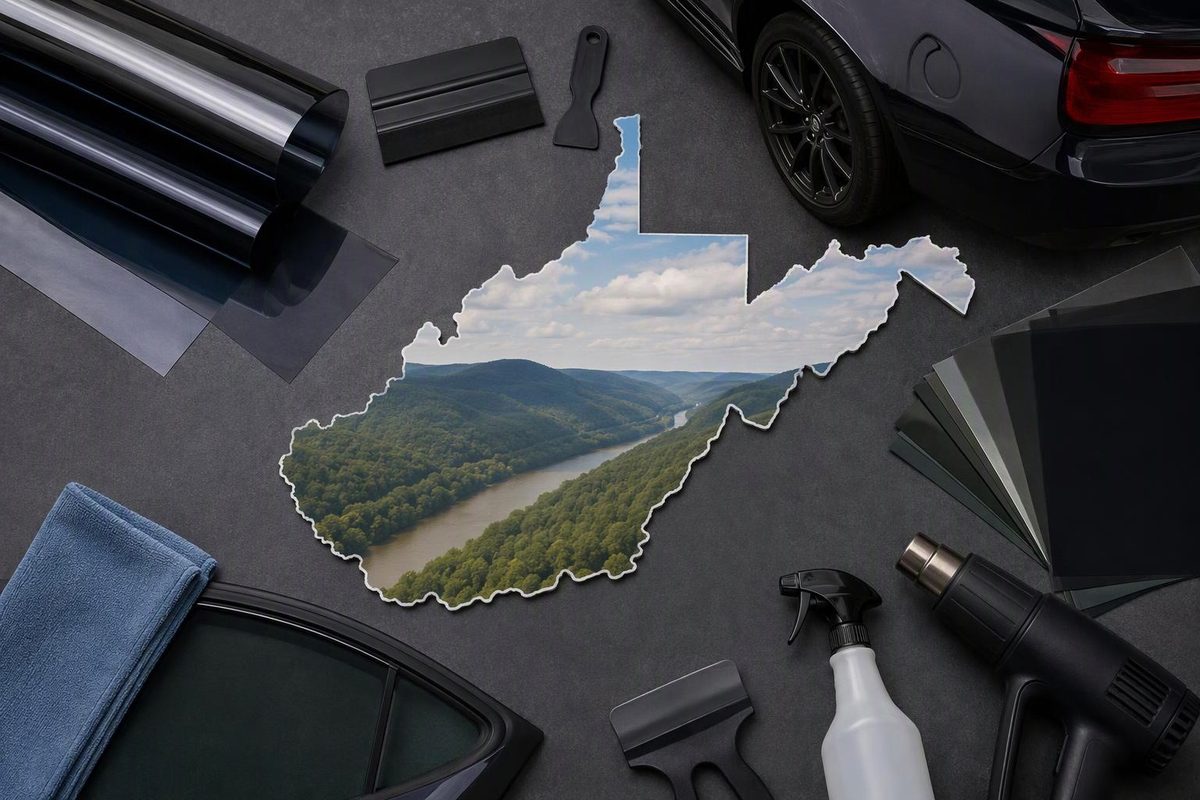
Legal Tint in WV: West Virginia Limits by Window
Check West Virginia’s 35% tint limit, SUV and truck rear-window exceptions, windshield rules, inspection requirements and medical exemptions.
More articles
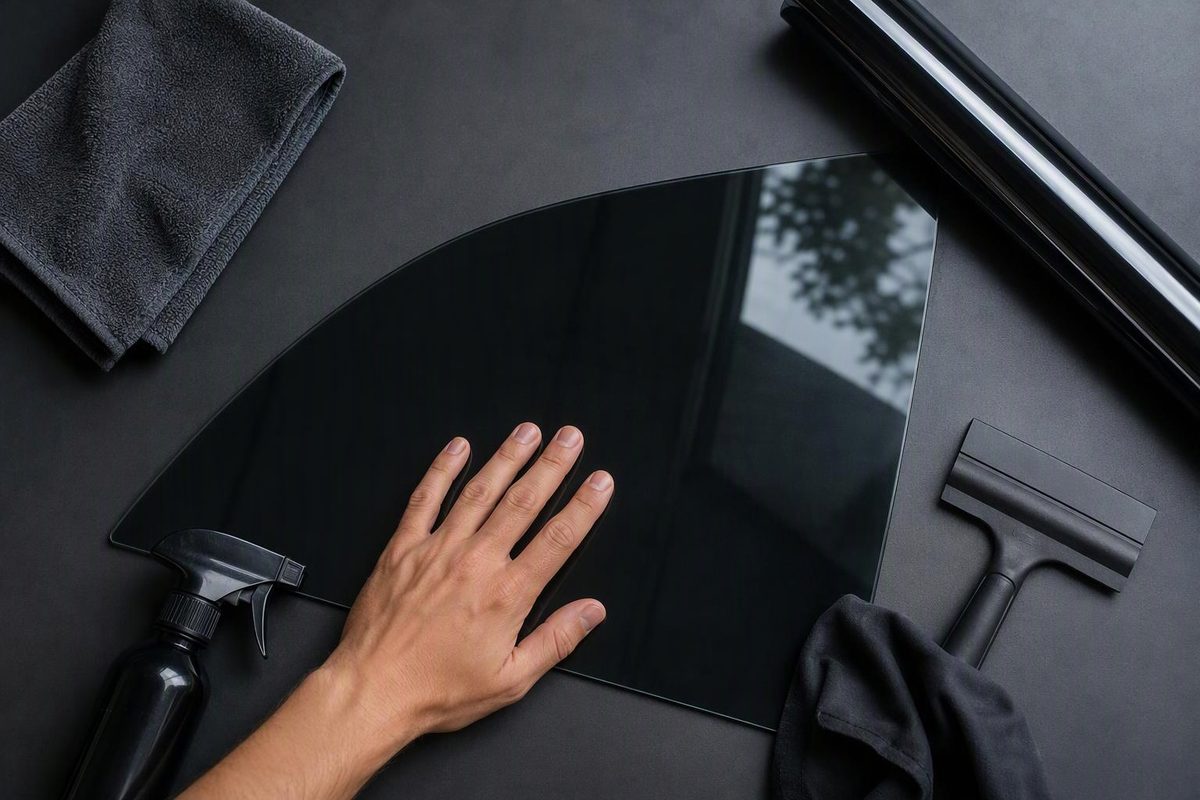
Can I Touch My Windows After Tinting?
Leave fresh tint alone on the inside. Learn what to do after an accidental touch, when to clean or lower windows, and which signs need an installer.
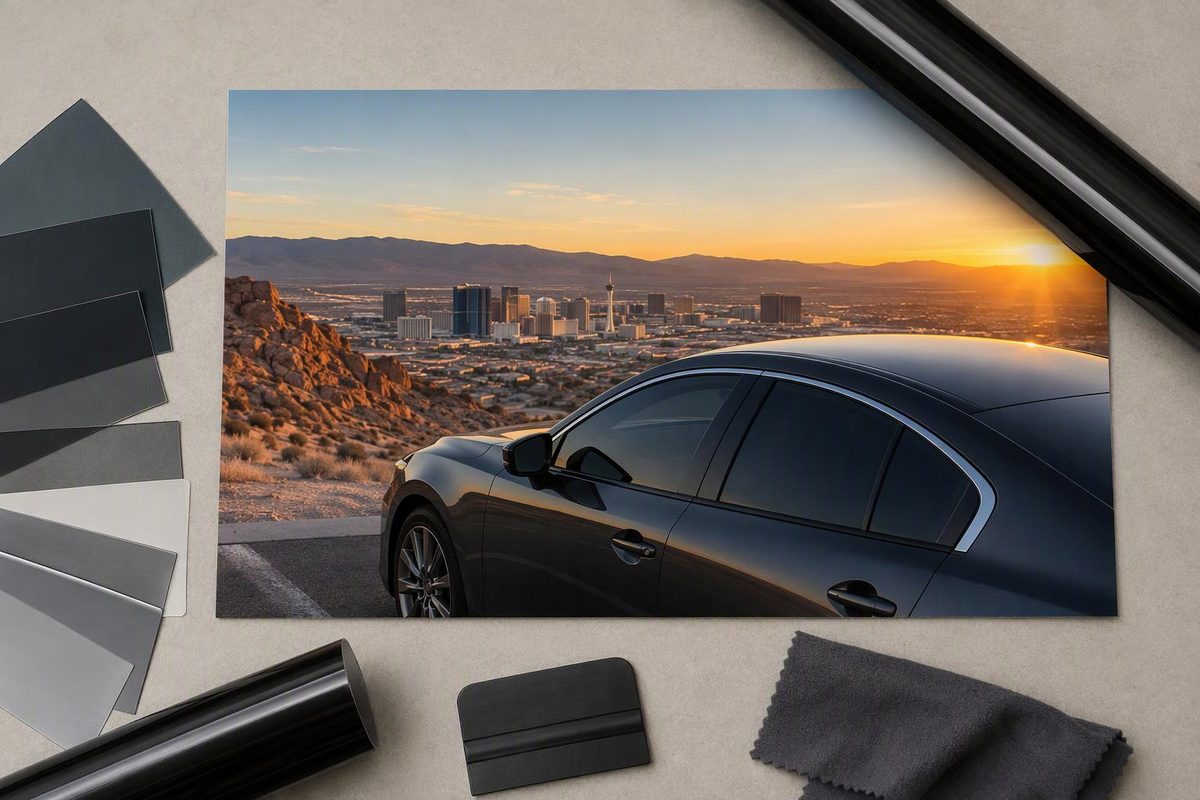
Nevada Tint Law: 35% VLT, Rear Windows and Windshield Rules
Nevada tint law sets 35% front-side VLT with a 7% tolerance. Learn rear-window mirror rules, windshield-strip measurements and medical exemptions.
Legal Tint in WI: Wisconsin Limits by Window
Check Wisconsin’s legal tint limits by window, including finished VLT, windshield restrictions, factory glass, mirrors and medical documentation.
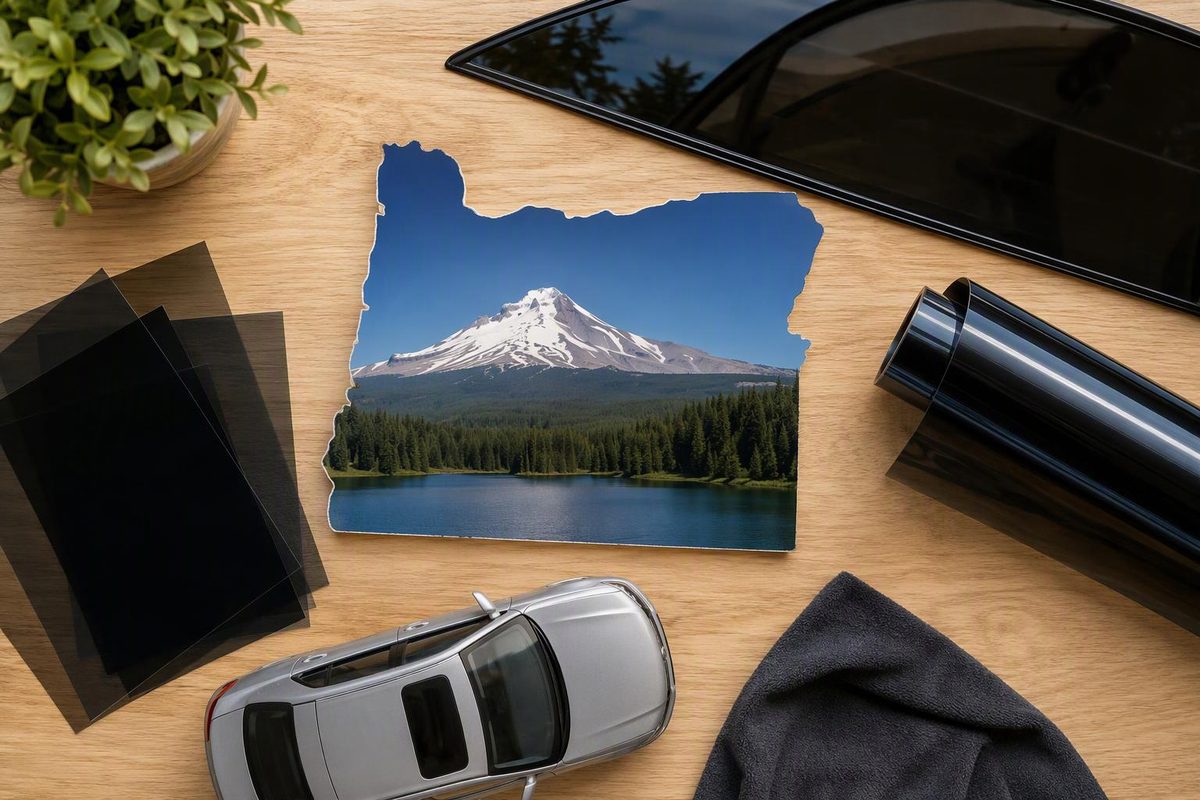
Oregon Window Tint Law: Film Limits, 35% VLT and Exceptions
Oregon generally requires at least 50% VLT film and 35% finished VLT. Check windshield rules, rear-window exceptions and required certificates.
Legal Tint in Utah: 35% VLT and Window-by-Window Rules
Check Utah’s 35% front-side tint limit, 70% windshield rule, unrestricted rear darkness, mirror requirements and metering variance before installation.
Mississippi Window Tint Law: 28% VLT and Rear Exceptions
See which Mississippi windows need 28% VLT, when SUV and truck rear glass qualifies for an exception, and how compliance labels and medical waivers work.
Does Window Tint Go Inside or Outside?
Car window tint normally goes inside, but is often cut and heat-shaped outside. Learn which side faces the glass and when exterior film is appropriate.
Legal Tint in CT: Window Limits, VLT and DMV Rules
See Connecticut’s tint limits by window, why 35% film can be too dark, and how mirror exceptions, windshield rules and DMV medical approvals apply.
Legal Tint in WA: Washington Limits by Window and Vehicle
Check Washington’s 24% finished-VLT requirement, rear-window exceptions, windshield restrictions, installer stickers and medical exemption requirements.
Legal Tint in Kansas: 35% VLT and Window-by-Window Rules
Check Kansas’s 35% finished-VLT rule, windshield restrictions, medical-film exception and stricter commercial-vehicle limits before choosing tint.
Legal Tint in OK: Oklahoma Window Limits and Exceptions
Compare Oklahoma tint limits by window, estimate finished VLT, and check windshield restrictions, older-vehicle exceptions and medical approval requirements.
Window Tint Laws in Pennsylvania: VLT Limits and Exemptions
Compare Pennsylvania tint limits by window and vehicle, calculate finished VLT, and check windshield-strip rules, medical exemptions and enforcement.